Earn Money Taking Surveys: Tips, Risks, and Rewards
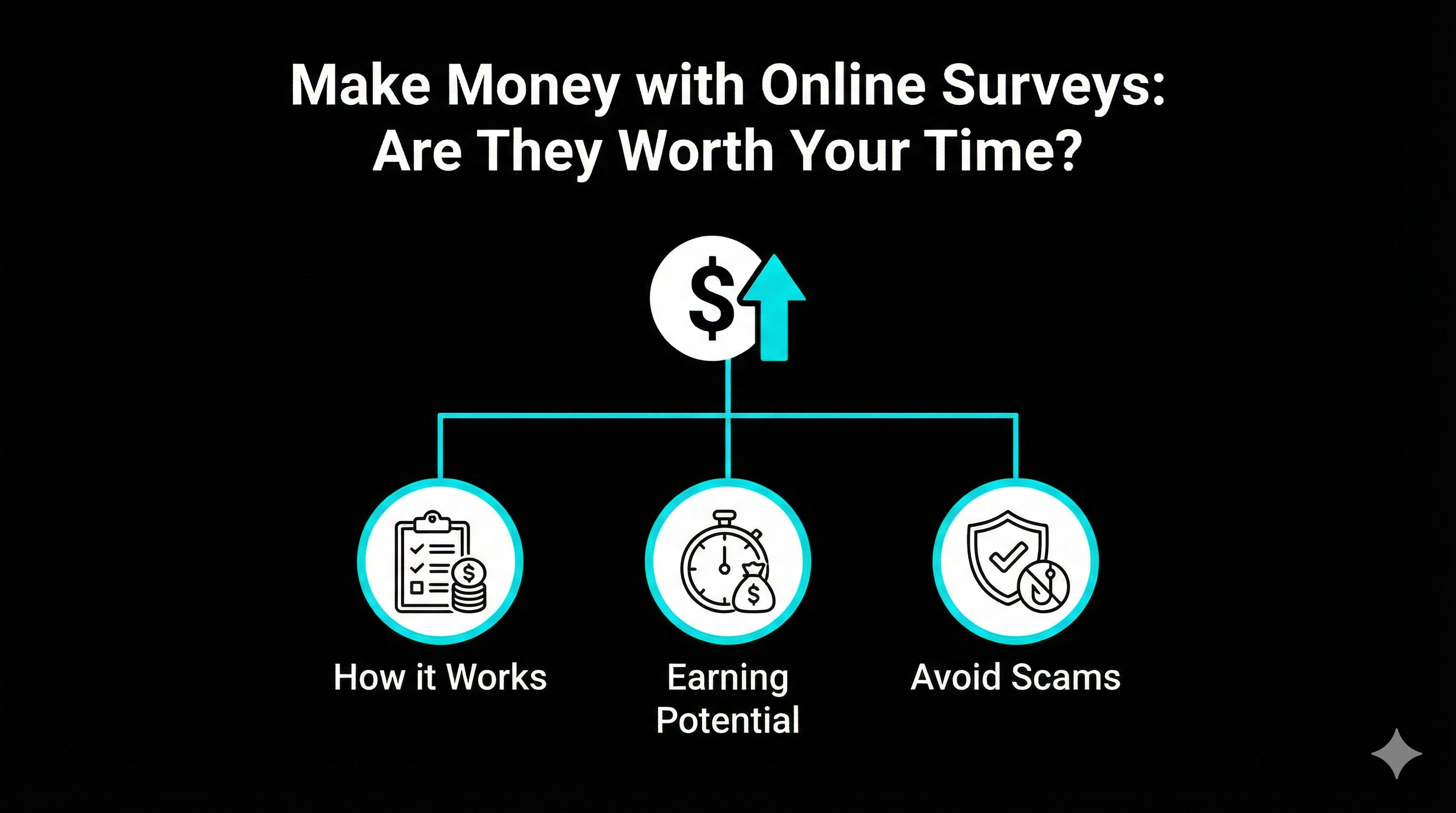
Earning a few extra dollars or a free gift card by taking surveys sounds almost too good to be true. Thousands of sites claim to pay you for your opinion, and some people swear they’ve cashed out. Others warn that most offers are scams or pay pennies. The truth lies somewhere in the middle. Paid surveys can produce small rewards if you understand how they work, choose reputable panels and manage your expectations.
How paid surveys work
Market research companies recruit large panels of consumers to answer questions about products, services and advertising. You might be asked to rate ads, share purchase habits or test new product concepts. Companies use this feedback to make decisions, so they’re willing to compensate participants. Rather than hire people directly, they contract with survey platforms that manage membership and distribute surveys.
When you join a platform you fill out a demographic profile. This profile determines which surveys you qualify for. High‑paying studies often target specific groups—parents of toddlers, people who travel for work, homeowners in a certain zip code—so you may see few invites if your profile is too broad. Most surveys take 5–20 minutes and pay from pennies to a few dollars in points or cash. Longer studies such as product tests pay more but are rarer.
Legitimate survey sites never charge an upfront fee. They pay via PayPal, direct deposit, gift cards or sweepstakes entries. If a site asks for a credit card number or promises $50 surveys for everyone, steer clear. To stay safe, read user reviews and search for complaints. For example, many people ask Is Survey Junkie legit? because of the company’s ubiquitous ads. Our help article explains why Survey Junkie pays real rewards but also describes common concerns about data privacy and low earnings.
How much can you actually earn?
Despite flashy promises, paid surveys will not replace a job. On average you might earn $0.50 to $3 for a 10‑ to 20‑minute survey. If you qualify for multiple studies a day you could make $30–$50 in a month. High‑paying panels that require special demographics may net $5–$25 per survey, but invites are unpredictable. Many participants report earning the equivalent of a few dollars per hour—better than nothing for idle time but not a path to riches.
To maximize earnings:
- Join multiple platforms. No single site has all the surveys, so sign up for several reputable ones. Survey Junkie, Swagbucks, InboxDollars and Prolific Academic are popular options. For each platform, complete your demographic profile fully.
- Set up a separate email. Survey invites can clutter your inbox. A dedicated email makes it easier to track offers and redemption codes.
- Respond quickly. Many surveys close once they reach a quota. Responding to invites within a few hours increases your acceptance rate.
- Watch for scams. If a site asks you to pay to join, promises unrealistic earnings or requires sensitive personal information beyond basic demographics, it’s likely untrustworthy.
Even the best strategy still yields modest returns. For some people paid surveys are a fun way to earn gift cards while watching TV. For others the payout is too low to bother. Keep your expectations realistic and treat surveys as a hobby, not income.
Choosing the right survey platforms
Not all platforms are equal. Here are a few well‑known options and their pros and cons:
Survey Junkie
One of the largest panels, Survey Junkie offers a steady stream of consumer‑product surveys. Users earn points convertible to cash or gift cards. It doesn’t charge fees, but earnings are modest and some users complain about repeated demographic screening. Read our FAQ Is Survey Junkie legit? for details.
Swagbucks
Swagbucks includes surveys along with cashback offers, video watching and online shopping. Points (called SB) can be redeemed for gift cards. The variety can be engaging, but many tasks pay very little, so focus on higher‑value surveys.
Prolific Academic
This platform pays for academic research studies. Surveys tend to be more interesting and compensation is higher—often $6–$12 per hour. However, it’s selective about participants and studies fill quickly, so you need to check frequently for opportunities.
InboxDollars
InboxDollars pays cash for surveys, reading emails and other tasks. Payment thresholds are relatively high ($15), so be prepared to accumulate earnings before cashing out.
Opinion Outpost
Opinion Outpost is straightforward and includes product testing opportunities. Payouts are comparable to Survey Junkie, but some users report fewer high‑value surveys.
When choosing a platform, consider pay rates, payout options and privacy policies. Never share sensitive personal data beyond what’s necessary to qualify. If you’re unsure about a site’s legitimacy, research user reviews or search for discussions on forums. Many participants share experiences in subreddits and blogs. Use these perspectives to make an informed choice.
Tips to avoid scams
The internet is full of schemes that prey on people seeking extra income. To stay safe:
- Verify the company. Look for a physical address, contact information and privacy policy. Check Better Business Bureau ratings and read reviews.
- Never pay to join. Legitimate survey panels pay you; they don’t charge membership fees.
- Protect your data. Don’t provide your Social Security number, bank account details or other sensitive information unless you’re cashing out through a trusted payment method.
- Read the fine print. Some platforms resell data to advertisers. If privacy is a concern, choose sites with clear policies and avoid those that share personally identifiable information.
If in doubt, remember that there are free survey tools you can use for legitimate purposes—like running polls or collecting feedback. For example, our article on Choosing the Right Poll Maker compares different poll‑making tools, including free and paid options. It’s a useful reference if you decide to create your own surveys rather than take them.
Beyond paid surveys: creating your own surveys
Paid surveys offer a way to earn small rewards, but designing surveys yourself can create far greater value. Whether you’re a business owner seeking customer insight or a team leader measuring morale, modern survey tools make it easy to build questionnaires, collect responses and analyse data. Our blog Employee Engagement Surveys: How to Listen and Act on Feedback explains how organisations use surveys to improve workplace culture. For entrepreneurs and creatives, tools like Tofu Surveys help you design custom forms, integrate responses with databases and generate reports—no coding required.
When you learn how to create and use surveys effectively, you’re no longer just a participant; you’re harnessing feedback to drive decisions. That’s a far more powerful use of survey technology than spending hours clicking through low‑paying questionnaires. While paid surveys can be a fun side hustle, consider whether your time might be better spent building something meaningful.
Final thoughts
Online survey panels offer a simple way to earn small rewards during downtime. They won’t make you rich, but if you choose reputable platforms, fill out profiles accurately and respond promptly, you can collect gift cards or cash for minimal effort. Always prioritise your privacy and avoid sites that seem too good to be true. If you want to go beyond earning a few dollars and start gathering feedback yourself, explore our other guides on poll makers and employee engagement surveys for inspiration.