How to Design Engagement Surveys Employees Actually Trust
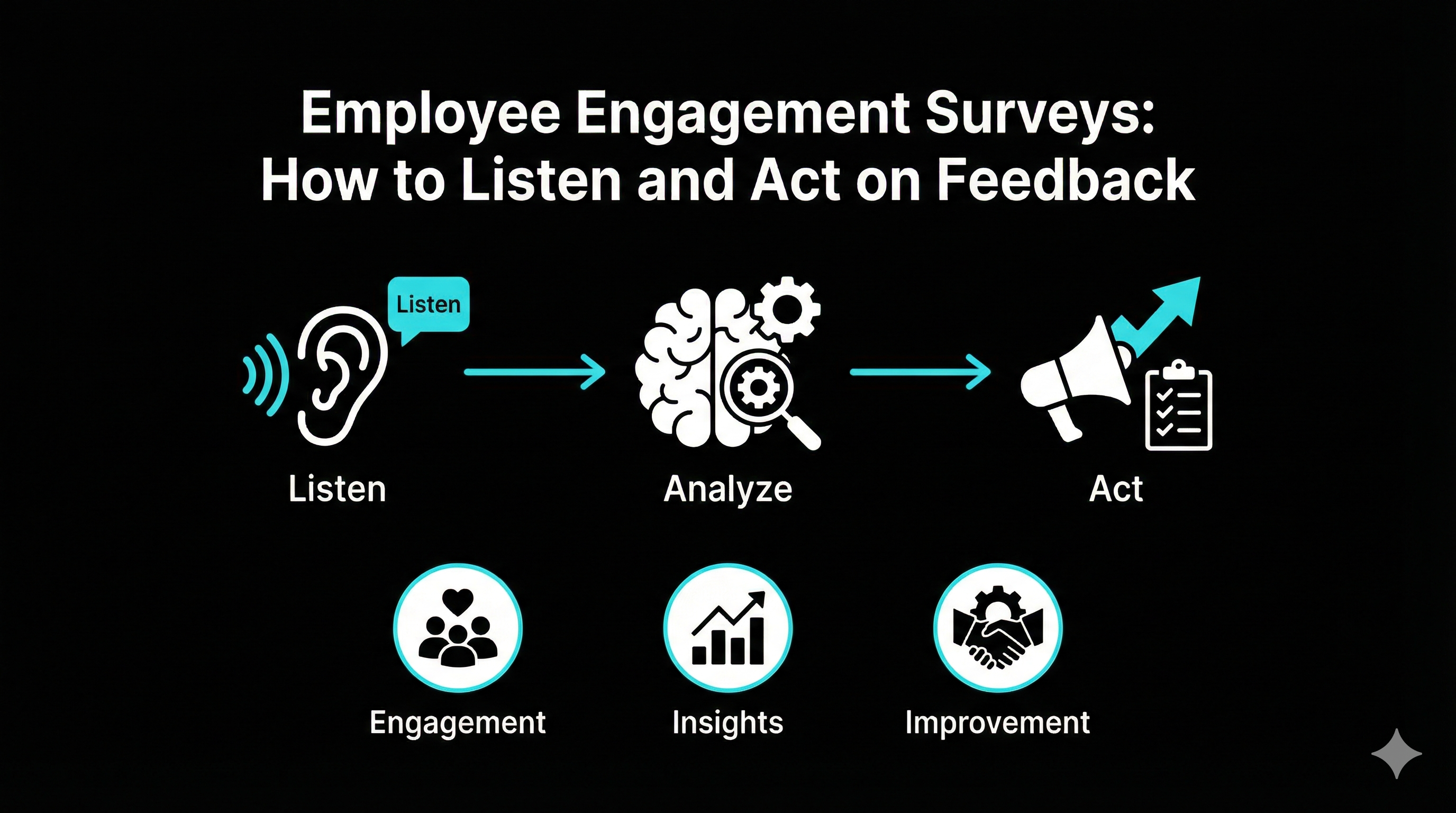
Engaged employees are more productive, stay longer and advocate for their organisations. Yet you cannot improve engagement without knowing how your people feel. Employee engagement surveys are a powerful tool to measure morale, identify issues and show your team you care. They help leaders understand what motivates employees, where friction lies and which initiatives are working. This article explains how to design an engagement survey that delivers honest feedback and leads to meaningful change.
Why employee engagement matters
Studies consistently show a link between engagement and business performance. Engaged employees are more likely to provide superior customer service, suggest improvements and stay with a company. Disengaged employees, on the other hand, cost organisations money through lower productivity and higher turnover. An engagement survey gives you a snapshot of how people feel about their work, their managers and the organisation’s direction.
Survey design essentials
To get useful insights, you need to ask the right questions in the right way. Here are key principles:
- Keep it confidential. Employees must trust that their answers are anonymous. Use third‑party survey tools and avoid collecting identifiable information. Our FAQ Are employee surveys really anonymous? explores methods for protecting anonymity and explains why it’s essential.
- Cover multiple dimensions. Engagement is multi‑faceted. Include questions on leadership, career growth, recognition, workload, work–life balance and communication.
- Use a consistent scale. A five‑point Likert scale (e.g. Strongly disagree to Strongly agree) allows employees to rate statements and lets you quantify results. Include at least a few open‑ended questions for qualitative feedback.
- Keep it concise. Long surveys lead to fatigue and lower response rates. Aim for 25–40 questions, mixing scaled items with a handful of open prompts.
- Test and iterate. Pilot the survey with a small group before launching it company‑wide. Refine questions based on feedback.
For examples of effective questions, see our FAQ Employee engagement survey questions. It provides sample statements across different categories that you can adapt to your organisation.
Encouraging participation
High participation is crucial for representative results. Here’s how to boost response rates:
- Communicate the purpose. Explain why you’re doing the survey and how results will be used. Emphasise confidentiality.
- Get leadership buy‑in. When executives endorse the survey and participate themselves, employees take it seriously.
- Choose the right timing. Avoid peak workload periods and give employees enough time to respond—typically two weeks. Send reminders but don’t badger; a gentle nudge at the midway point can help.
- Offer an incentive. Consider a charitable donation, team celebration or small reward for departments that hit participation targets. Always ensure incentives don’t compromise anonymity.
Analysing results and taking action
Collecting feedback is only the first step. Employees will judge your commitment based on what happens next. Follow this process:
- Aggregate and anonymise data. Use survey software to analyse results by department, role or tenure while protecting individual identities. (Our Chi-Square Calculator can help you determine if differences between groups are significant).
- Look for trends. Pay attention to questions with low scores or wide variation. Compare results over time to spot improvements or declines.
- Share findings transparently. Summarise results and share them with employees, including areas that need improvement. Transparency builds trust.
- Develop an action plan. Work with managers to address the highest‑priority issues. For example, if employees cite poor communication, implement regular all‑hands meetings or feedback channels.
- Follow up. After changes are made, ask again. Continuous feedback loops show employees that surveys lead to real improvements. Our FAQ What is a feedback loop in surveys? defines feedback loops and explains how to use them to improve processes.
For guidance on analysing narrative responses, read How do I analyse open‑ended responses in an employee engagement survey?. It provides tips on coding comments and extracting insights.
Link to related surveys
Engagement surveys are part of a broader feedback system. You might also conduct pulse surveys, exit surveys and satisfaction surveys. For ideas on exit interview questions, see our FAQ What are common exit interview questions?. To explore satisfaction surveys, check What are good employee satisfaction survey questions?.
When employees see that leadership asks for input and acts on it, trust grows. Over time, a culture of open dialogue emerges. Engagement surveys provide a structured way to listen and respond, but they must be followed by meaningful change. By designing thoughtful questions, ensuring anonymity and taking action on feedback, you signal that you value your people—and that’s the foundation of engagement.